

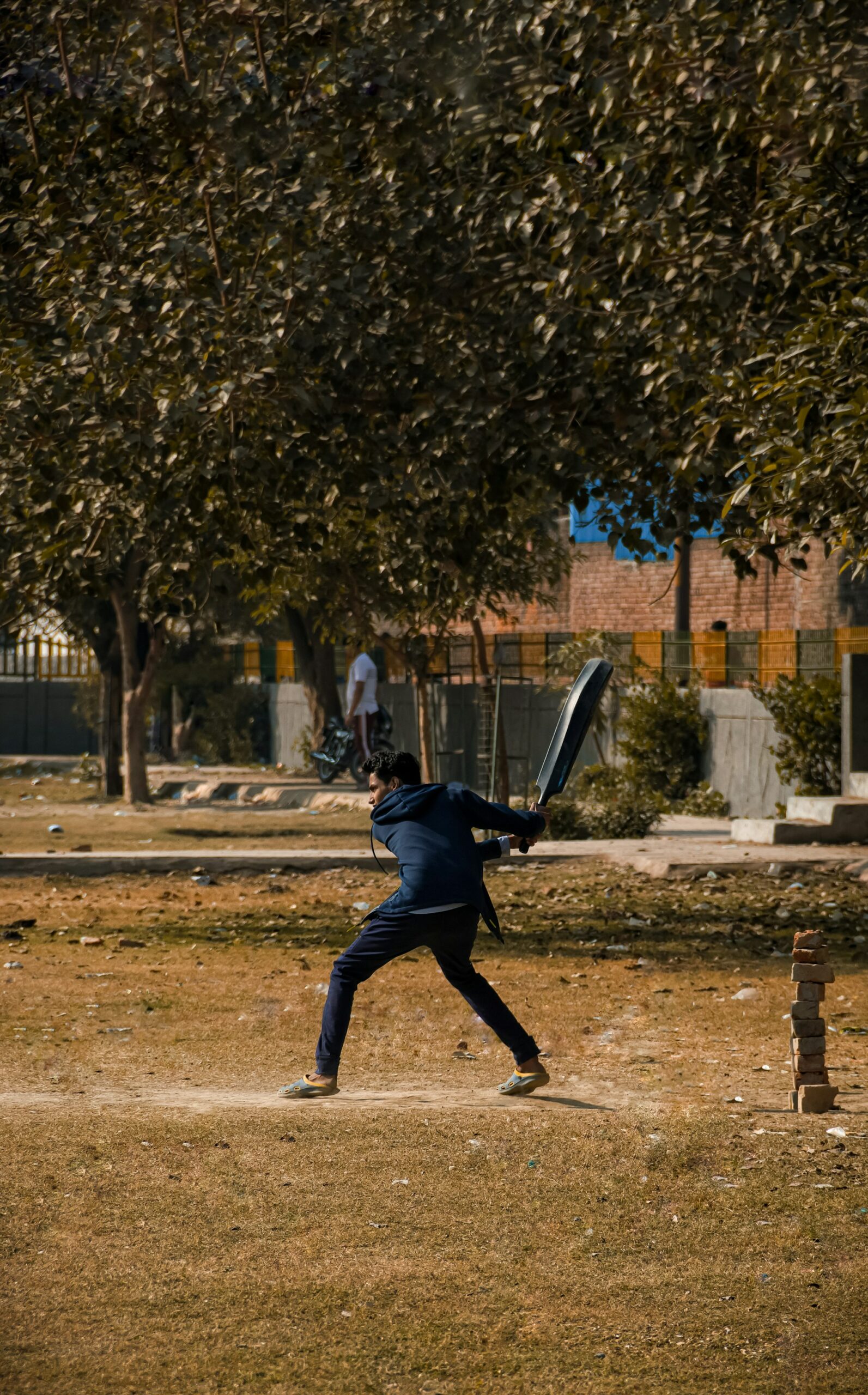
Positioning in cricket refers to the strategic placement of players on the field during various phases of the game
How to: Batting the ball perfect
Batting is one of the fundamental aspects of cricket
Batting is one of the fundamental aspects of cricket, where a player uses a cricket bat to score runs for their team. Here are some key points about batting in cricket:
Objective: The primary goal of batting is to score runs for the team. Batsmen aim to hit the ball delivered by the bowler and score as many runs as possible while protecting their wicket.
Playing Positions:
Opener: The first two batsmen in the batting order are known as openers. They face the new ball and lay the foundation for the innings.
Middle Order: Batsmen in positions three to six are considered the middle order. They play a crucial role in consolidating the innings and building partnerships.
Lower Order: Batsmen in positions seven to eleven are often referred to as the lower order. They may be considered all-rounders, contributing both with bat and ball.
Cricket Bat: Batsmen use a flat, elongated wooden bat to play the ball. The bat has a handle and a blade, and its size and weight are regulated by cricket laws.
Stance and Grip: Batsmen adopt a stance, positioning their feet and body in preparation to face the bowler. The grip on the bat is essential for control and shot execution.
Scoring Runs:
Runs: Batsmen can score runs by hitting the ball and running between the stumps at either end of the pitch. They can also score runs through boundaries (four or six) by hitting the ball to or beyond the boundary rope.
Dismissals:
Wicket: The primary target for the bowler is to get the batsman out by getting them bowled, caught, leg before wicket (LBW), stumped, or run out.
Retirement: In certain formats or informal matches, a batsman may choose to retire voluntarily, allowing another teammate to bat.
Shot Selection:
Defensive Shots: Batsmen use defensive shots, like the forward defensive or block, to protect their wicket.
Attacking Shots: Attacking shots, such as drives, cuts, pulls, and sweeps, are played to score runs and put pressure on the bowlers.
Strategy and Tactics: Batsmen need to assess the match situation, understand the condition of the pitch, and adapt their batting style accordingly. They may need to play defensively or aggressively based on the team’s requirements.
Batting Partnerships: Building partnerships with fellow batsmen is crucial for team success. A solid partnership helps stabilize the innings and set the platform for a competitive total.
Batting Records: Batsmen are often judged by their individual and team batting records. Achieving milestones such as centuries (100 runs) and half-centuries (50 runs) is considered significant.
Successful batting requires a combination of skill, technique, mental strength, and an understanding of the game situation. Batsmen play a pivotal role in shaping the outcome of a cricket match.
The importance of positioning
Positioning in cricket refers to the strategic placement of players on the field during various phases of the game. It involves both batting and fielding positions, and it plays a crucial role in executing game plans and maximizing team efficiency. Here’s an overview of positioning in cricket:
Batting Positions:
Opener: The first two batsmen in the batting order are known as openers. They face the new ball and aim to provide a solid start to the innings.
Top Order: Batsmen in positions three to six make up the top order. They consolidate the innings and build partnerships after the openers.
Middle Order: Batsmen in positions seven to ten are considered the middle order. They often play a crucial role in stabilizing the innings or accelerating the run rate, depending on the match situation.
Lower Order: The last batsman in the order, often referred to as the tailender, is positioned in the lower order. While they may be primary bowlers, some lower-order batsmen are capable of contributing valuable runs.
Fielding Positions:
Slips: Fielders positioned behind the batsman on the off side, usually to catch edges off the bat.
Gully: A fielding position on the off side, close to the slips, primarily for catching.
Cover: A fielder positioned on the off side, between point and mid-off.
Mid-off: A fielder positioned between the bowler and cover, on the off side.
Mid-on: A fielder between the bowler and midwicket, on the leg side.
Midwicket: A fielder on the leg side, between mid-on and square leg.
Square leg: A fielder on the leg side, square to the batsman.
Fine leg: A fielder on the leg side, closer to the boundary, behind the batsman.
Slips and Close-in Fielders:
Slip Fielders: Positioned close to the batsman, slips are crucial for catching edges. Slip positions are numbered (first slip, second slip, etc.).
Short Leg: A fielder positioned close to the batsman on the leg side, near the square leg position.
Wicketkeeper:
The wicketkeeper stands behind the stumps and is responsible for collecting deliveries from the bowler and attempting to dismiss batsmen through catches or stumping.
Bowling End and Fielding Positions:
The end from which the bowler delivers the ball is referred to as the bowling end. The opposite end is known as the non-striker’s end.
Fielding positions are adjusted based on whether a fast bowler or a spin bowler is operating from a particular end.
Captain’s Role:
The team captain plays a crucial role in deciding the fielding positions based on the match situation, the type of bowler, the condition of the pitch, and the strengths and weaknesses of the opposition.
Understanding and mastering fielding positions and batting orders are essential for players to contribute effectively to their team’s success in cricket. Teams often employ strategic field placements and batting orders to exploit the weaknesses of the opposition and create favorable conditions for their own players.