Devon’s coastlines and moorland charm
Two coastlines, one ancient moorland, and enough cream teas to last a lifetime — Devon is England’s most quietly spectacular county.
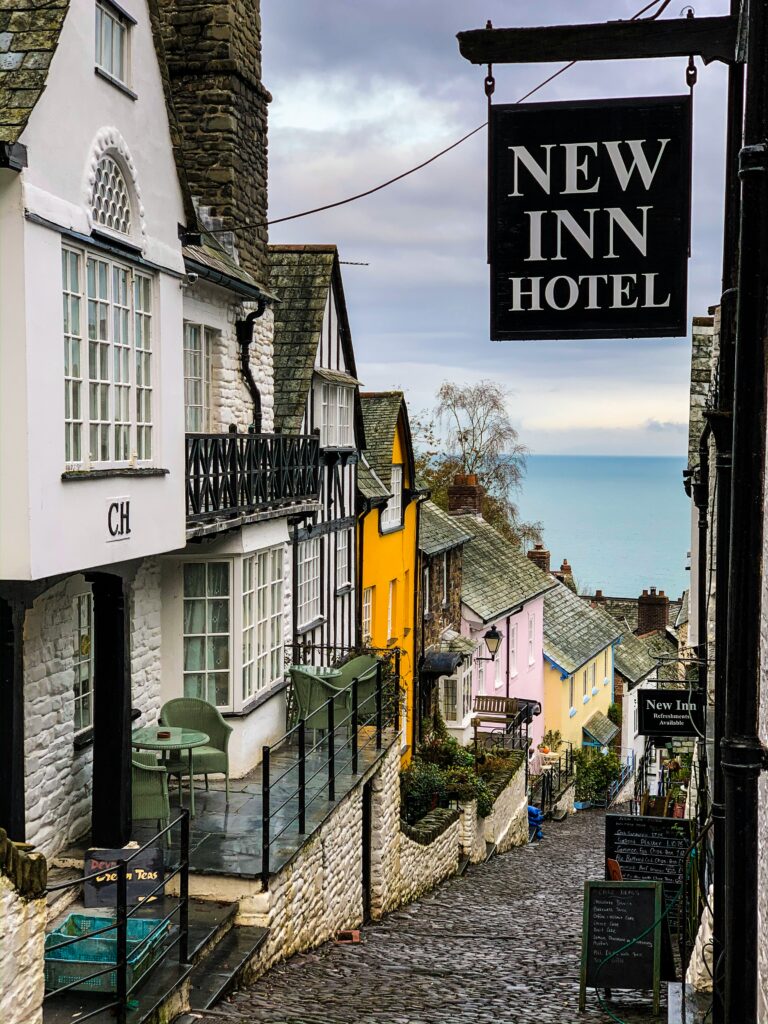
Tucked into the south-west corner of England, Devon is the rare destination that manages to be everything at once without feeling like it is trying too hard. It has two coastlines — the rugged, surf-beaten Atlantic shores of the north and the sheltered, yacht-filled coves of the south — separated by the granite wilderness of Dartmoor, one of England’s last great wild spaces. London is little over two hours away by train, yet the moment you arrive, the pace changes. Lanes narrow to single tracks. Hedgerows rise tall on either side. The smell of the sea, or the moor, arrives before the view does.
The Moor
Dartmoor sits at Devon’s heart like a secret the county keeps to itself. Nearly 370 square miles of open moorland, ancient stone circles, and weather-worn granite tors rising from the landscape like the ruins of something enormous. Wild ponies roam freely here, and on clear days the views reach far enough to make the rest of England feel distant and irrelevant. The village of Widecombe-in-the-Moor, with its thatched cottages and medieval church tower, looks exactly as an English village should look — partly because it has barely changed in centuries. Walkers can head out from here in any direction and find themselves alone within minutes, which in England is a rarer luxury than it sounds.
Two Coastlines, Different Worlds
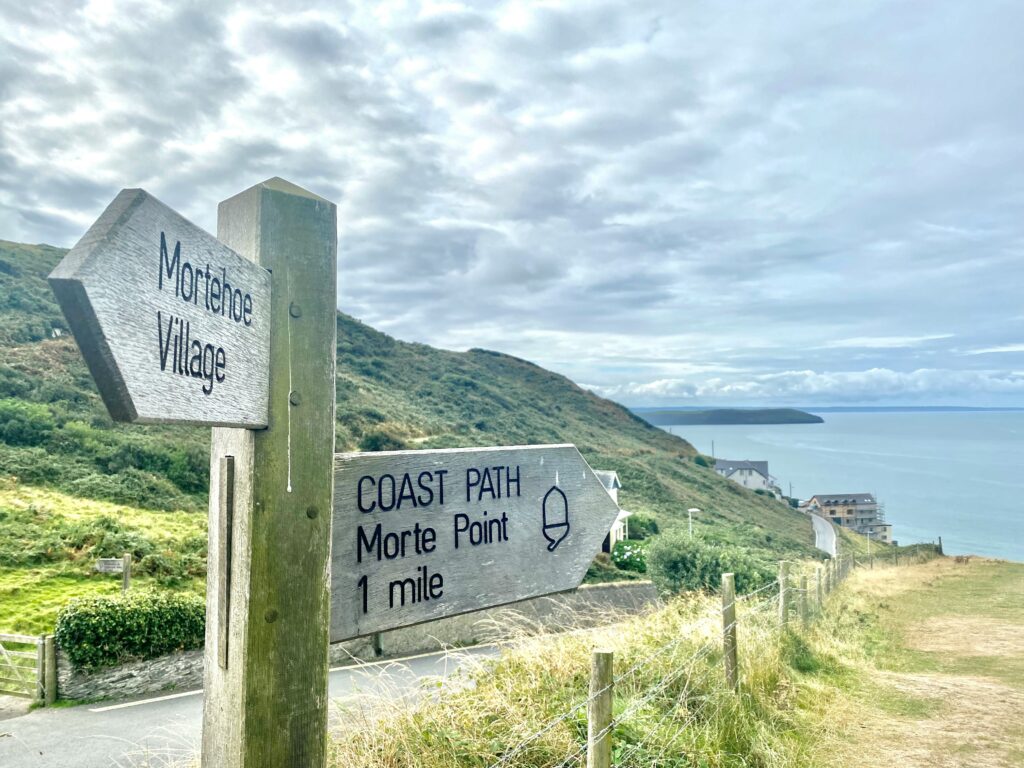
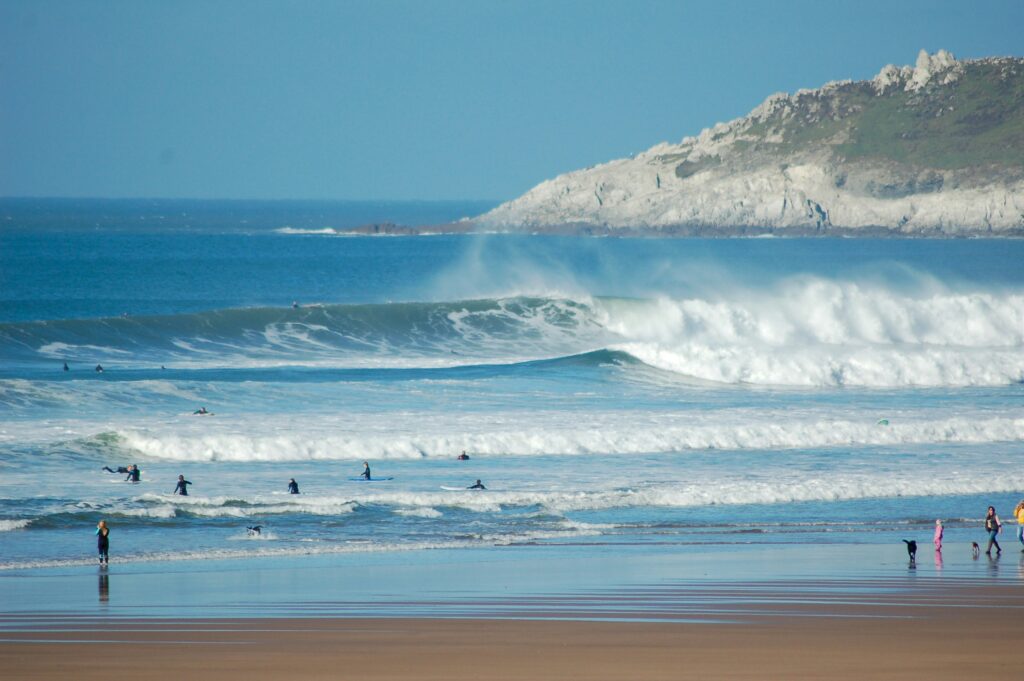
The north coast is for surf and spectacle. Croyde and Woolacombe draw wave-riders and beach-lovers to their wide Atlantic-facing sands, while the clifftop paths of the South West Coast Path offer some of the most dramatic walking in England. The south coast tells a different story: gentler, greener, and altogether more seductive. Dartmouth sits above the deep-water estuary of the River Dart, its medieval castle guarding the entrance to a harbour where tall ships once set sail for the Crusades. Salcombe, a short drive west, is arguably Devon’s most beautiful town — pastel-fronted houses above a tidal creek, sailing boats at anchor, and a sense that time here runs slightly slower than everywhere else.
On the Plate
Devon takes food seriously, and with good reason. The county’s waters deliver crab, lobster, and scallops to restaurant kitchens so fresh they barely need cooking. Brixham, one of England’s busiest fishing ports, lands more fish than almost anywhere in the country, and its harbourside stalls sell the catch direct. Inland, rich red soil produces exceptional beef and dairy — Devon clotted cream, the kind that holds the weight of a scone without flinching, is a product with almost no rival. The Devon cream tea, a matter of some local pride, demands scone first, then cream, then jam — and should be consumed slowly, preferably with a view.
Getting There & When to Go
Direct trains from London Paddington reach Exeter in around two hours; from there, a hire car opens up the county properly. Spring and early autumn offer the best balance of weather and quiet — summer brings the crowds that the lanes and villages were never quite designed to handle. Come in May, when the hedgerows are in full bloom and the moors glow green, and Devon will feel like a discovery entirely your own. Getting there: Great Western Railway operates frequent direct services from London Paddington to Exeter St Davids (approx. 2 hrs). Car hire available at Exeter station and airport.