The Cricket Ball
A cricket ball is a key component of the game, and its unique features contribute to the dynamics of cricket. Here are some interesting facts about a cricket ball:
Size and Weight:
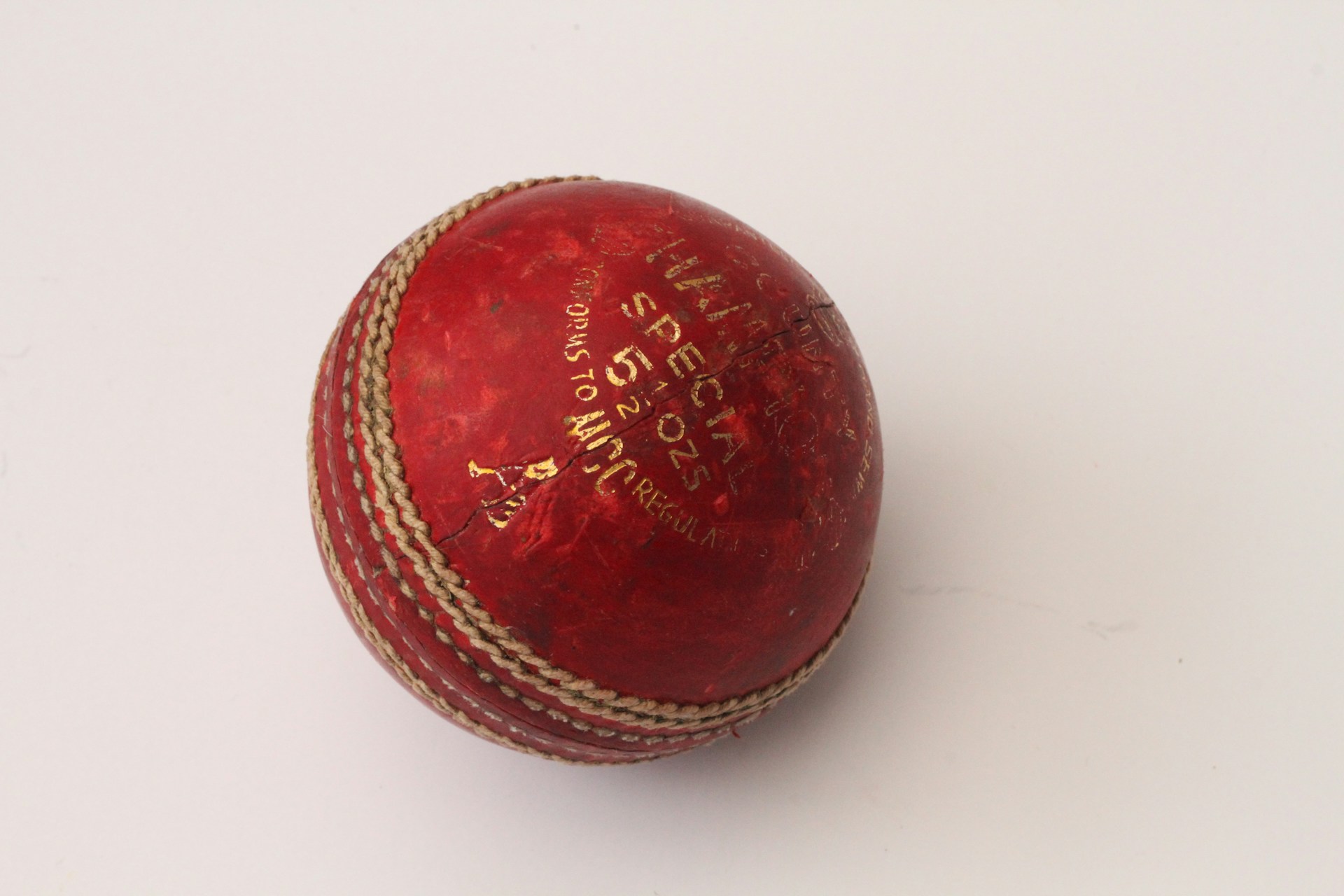
A standard cricket ball is made of cork, wrapped in tightly wound string, and covered with leather. It has a circumference of approximately 8.81 inches (22.4 cm) and weighs between 5.5 to 5.75 ounces (155.9 to 163 grams). The size and weight are standardized by cricket regulations to ensure consistency in the game.
Red and White Variants:
Traditionally, Test matches are played with a red ball, while limited-overs formats, such as One Day Internationals (ODIs) and Twenty20 (T20) matches, use a white ball. The red ball is considered more visible under natural daylight, while the white ball is used for better visibility under floodlights.
Seam and Stitching:
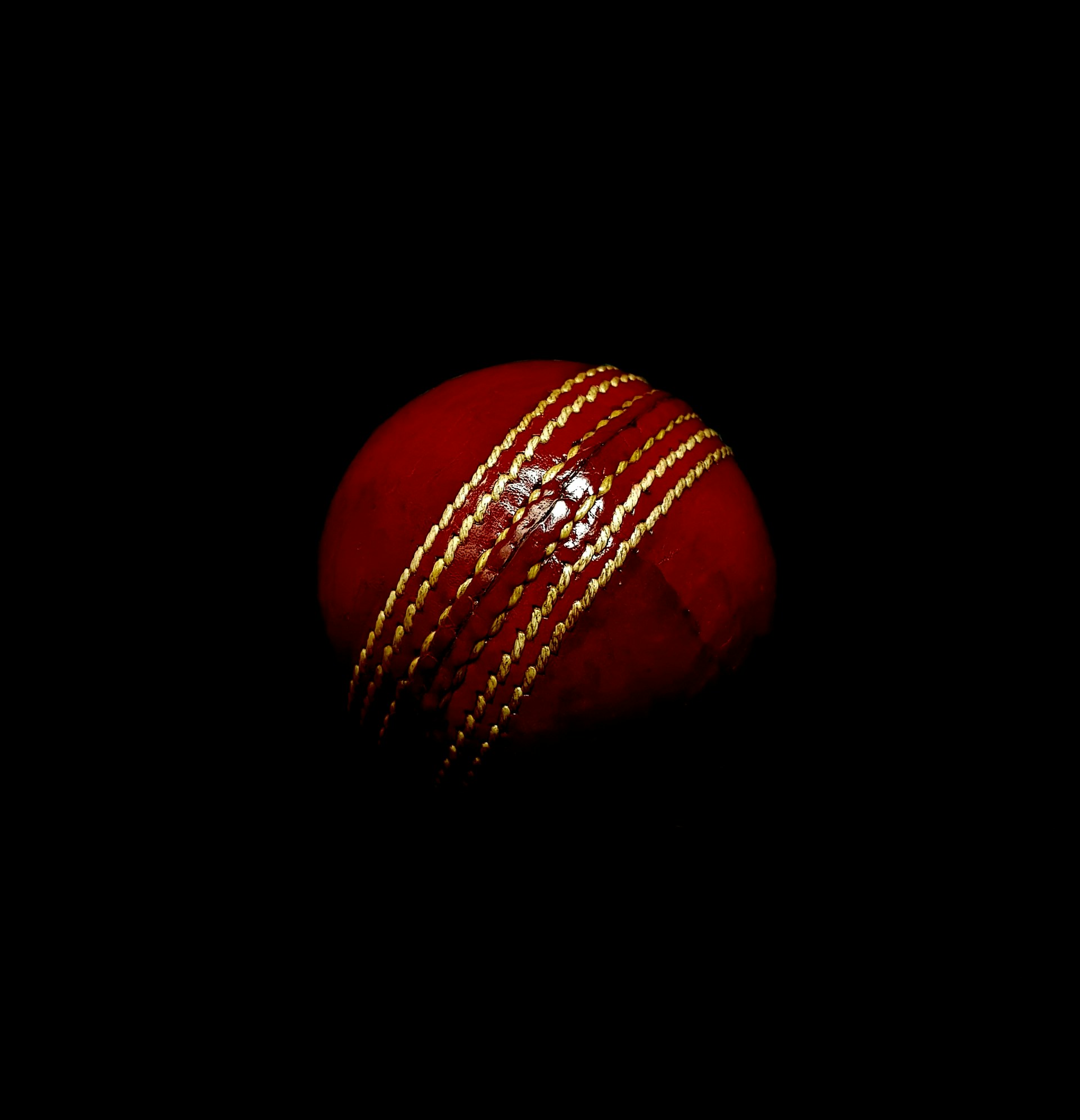
The cricket ball has a prominent seam running around its circumference, dividing it into two halves. The seam plays a crucial role in the game, affecting the movement of the ball in the air and off the pitch. The stitching on the ball helps maintain its shape and provides a grip for the bowler.
Shine and Swing:
In traditional Test matches, players use saliva or sweat to shine one side of the red ball. This process, known as ball-tampering, aids in achieving swing—a phenomenon where the ball moves in the air, making it challenging for the batsman to predict its trajectory. White balls in limited-overs cricket have a lacquer coating that helps maintain their brightness throughout the game.
Aging and Wear..
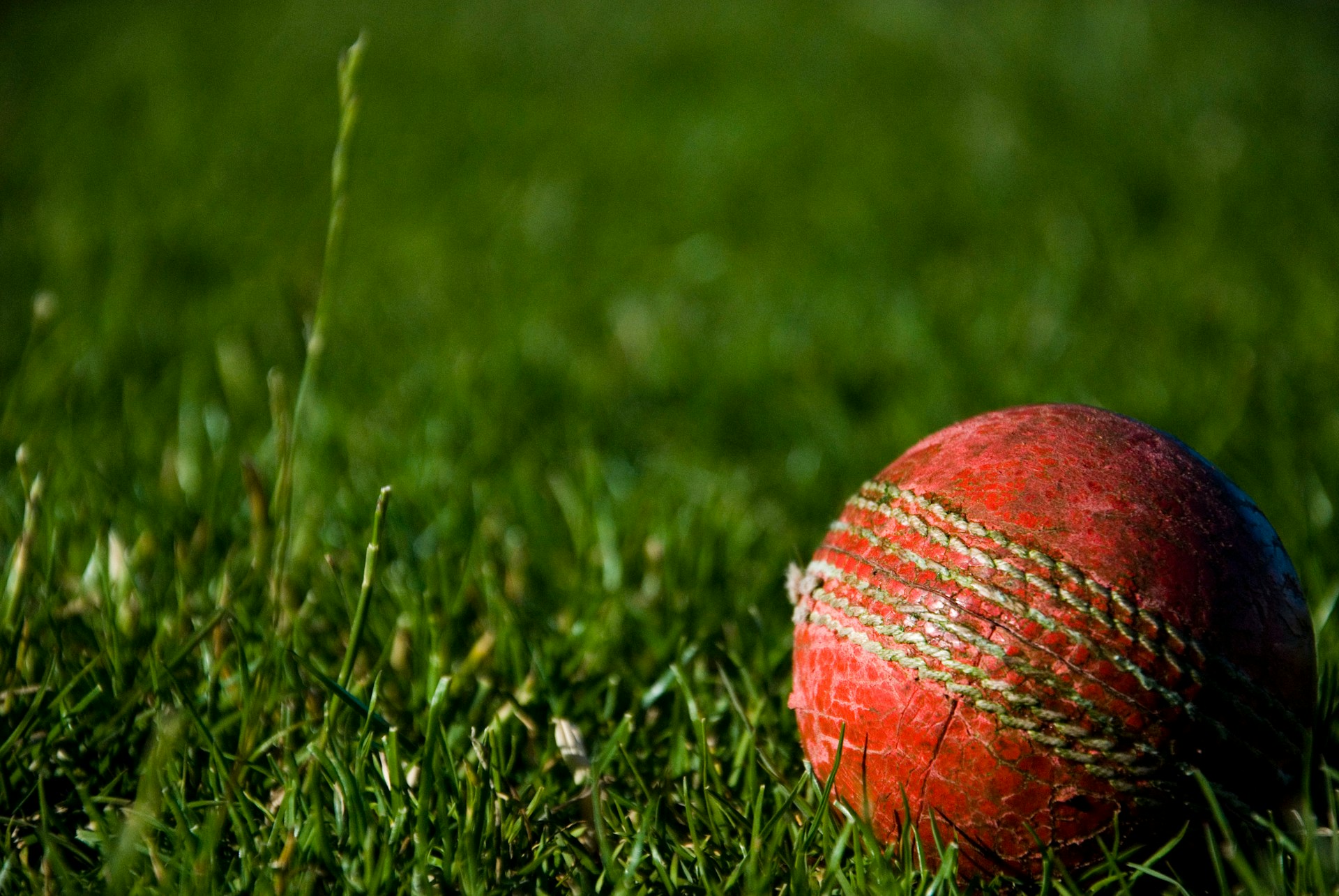
As a cricket ball is used in the game, it undergoes wear and tear. The red ball tends to develop a natural shine over time, which, combined with the wear on the seam, can impact its swing characteristics. In contrast, the white ball’s color may deteriorate during play, affecting its visibility.
Durability:
A cricket ball is designed to withstand the rigors of a cricket match, including being struck by the bat and bowled at high speeds. However, due to the nature of the game, a ball is often replaced with a new one after a certain number of overs to ensure fair play and consistent conditions for both teams.
Manufacture:
Cricket balls are typically handmade, with skilled craftsmen involved in the intricate process of constructing each ball. The quality of the leather, stitching, and cork core is essential in producing a ball that meets international standards.
The cricket ball’s characteristics contribute to the subtleties and strategies of the game, making it an integral part of the rich tapestry of cricket.
Production
The production of a cricket ball involves several steps, and it is a meticulous process that requires precision and attention to detail. Here’s an overview of how a cricket ball is typically made:
Cork Core: The central component of a cricket ball is its core, which is made from cork. The cork is usually imported and selected for its density and quality. The cork is shaped into a hemisphere, and two hemispheres are then glued together to form the core.
String Winding: The cork core is then tightly wound with several layers of twine or string. This winding process contributes to the ball’s durability and helps maintain its shape during play.
Leather Selection: The outer covering of the cricket ball is typically made from high-quality leather. The leather is chosen for its uniform thickness, durability, and consistency. Traditionally, red leather is used for Test matches, while white leather is used for limited-overs formats played under floodlights.
Cutting and Shaping: The leather is cut into shape and is usually formed into four pieces, which are then stitched together. The shape and size of the pieces must conform to the regulations set by the cricket governing bodies.
Stitching: The leather pieces are stitched together using waxed thread. The stitching process is crucial, as it not only holds the ball together but also creates the prominent seam that influences the ball’s movement in the air and off the pitch.
Cricket is not just a sport in India; it’s a celebration of our emotions, a symphony of passion that echoes in every heart, uniting a billion dreams in a single game.
ChatGPT
| Item | Abs. | Rel. |
| Apple | 1785 | 3,65% |
| Bicycle | 1655 | 3,39% |
| Concert | 452 | 0,92% |
| Daffodil | 3452 | 7,06% |
| Elephant | 8632 | 17,66% |
| Friendship | 10238 | 20,95% |
| Galaxy | 4562 | 9,33% |
| Harmony | 8563 | 17,52% |
| Innovation | 1568 | 3,21% |
| Jigsaw Puzzle | 7966 | 16,30% |